

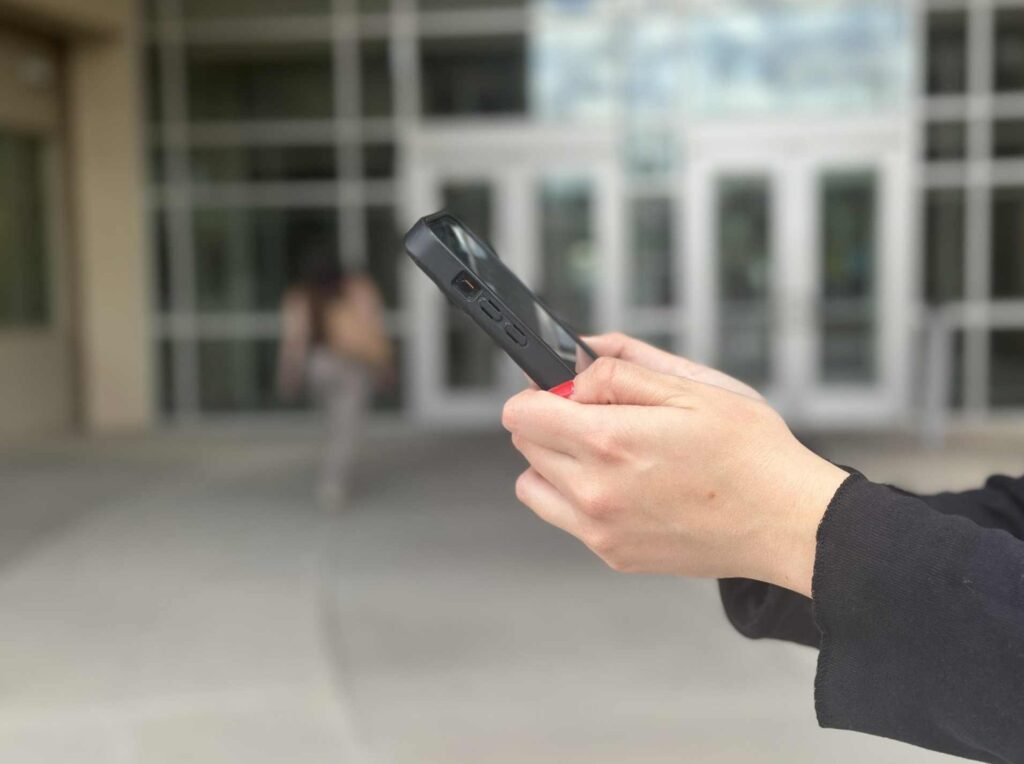
Las Cruces police are warning residents about unsolicited calls, text messages or social media contacts that promise personal happiness or financial gain but end up being a scam.
The scams usually have the same basic theme: provide personal or financial information – or simply send cash – to invest in some type of deal or get out of trouble. Unfortunately, the call or message is likely a ruse to gain capital, or personal or financial information, that only benefits the scammer.
Police have learned that many of the scam attempts show up on Caller ID as coming from a 575-phone number or Caller ID indicates it’s from a small town in New Mexico. Some scam attempts come from a location that does not correspond to the phone number that appears on Caller ID. Other scam attempts may be received via social media, text or direct messaging.
In short, scammers are trying to obtain personal or financial information from unsuspecting victims in any way possible.
If you receive an unsolicited text, social media message or call from an unknown individual it is likely a scam attempt. Las Cruces police recommend the following safety tips:
- Do not provide personal or financial information to anyone who calls, texts or otherwise contacts you unsolicited.
- Never provide your passwords or personal identification numbers to anyone.
- Do not send cash, checks or wire-transfer funds to any organization or person you do not know and trust.
- Beware of overpayment scams where someone sends you a check for an amount more than agreed upon and asks that you return the balance. The check is likely worthless, and the scammer is hoping your check arrives before theirs is found to be bogus.
- Do not purchase items or merchandise sight unseen unless it is from a reliable source.
- Remember: if a deal sounds too good to be true, it probably is.
- Do not engage in conversation with unsolicited callers.
- Do not press numbers on your phone when prompted to select from a menu from an unknown caller.
- If some unknown person, claiming to be from your utility provider or financial institution, provides a phone number to call, do not call that number. Instead, call the number on your billing statement or a known phone number for that organization.
- Do not open attachments or links sent to you via text or direct message unless you are absolutely sure of the source.
- Report suspicious social media accounts using the platform’s security tools.
- Block telephone numbers and social media follow requests that appear to be suspicious.
- Consider registering your phone number(s) on the Federal Trade Commission’s free Do Not Call Registry. Go to DoNotCall.gov or call 1-888-382-1222 (TTY: 1-866-290-4236) from the phone you wish to register.
Anyone who has been victimized by a suspected scam call is encouraged to call police at (575) 526-0795.


All-City High School Art Show
Short-Term Rental Registration Requirements

Land of the People Exhibit

Utility Bill Assistance Programs

Safety Improvement Program

2025 Municipal Election
Know Your City Seminar Series
Natural Gas Transition Plan

New GRT Tax Codes and Locations