We love finding the right artist for the right project. Very often, though, the artist lives in a different city or state, sometimes far, far away. So, when we find the right artist right here in our city, we are almost giddy with joy because we LOVE showcasing our very talented local artists.
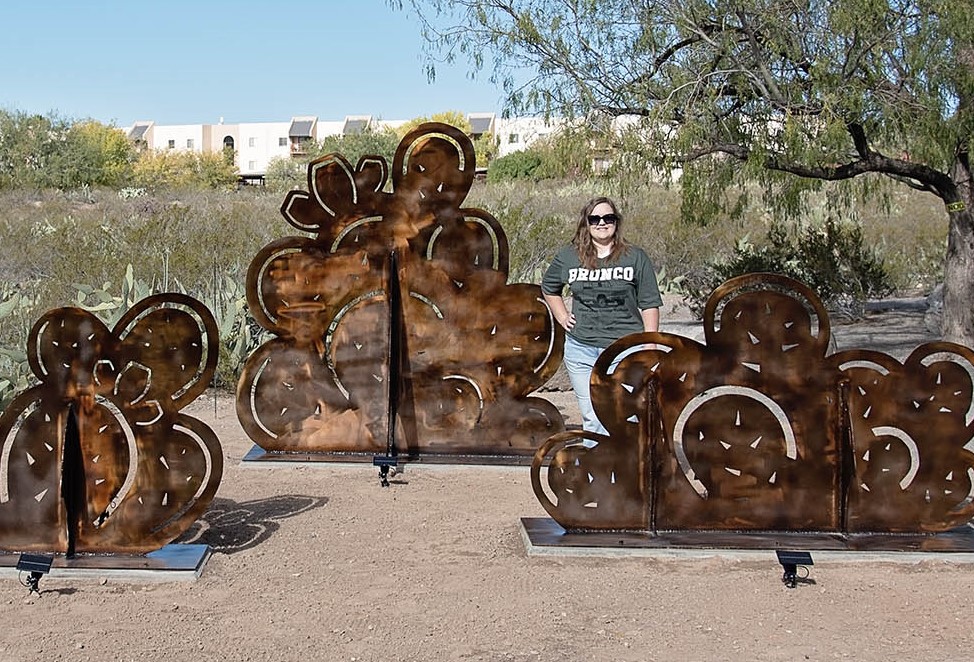
Kayla Blundell, one such artist, won the commission for La Buena Vida Park with her proposed concept for a four-piece sculpture project titled Desert Kinship. The recently installed artwork surpasses the expectations of her design. It’s play with perception is fun, the coppery patina covering the steel shapes flickers in the sun, and glows at night, and the stylized birds and cacti add beauty and interest to a spot where park visitors gather.
I rarely get the chance to talk to artists about their experience working on a project once the project is completed, even though I think it would be very interesting see a project from their point of view. Because Kayla is a local, it was the perfect opportunity to take a moment to chat about her public art journey.
How did you find out about this project and why did you decide to apply?
I had been busy in one of my semesters in college and hadn’t checked CaFÉ *for a while. You had sent me an email** asking if I had seen the call, and I believe it was also announced by the sculpture professor. I logged into CaFÉ and read the details of the call. I noticed it was for a nature park, and I thought “Oh that’s perfect I should apply for it since my artistic practice focuses on ecology.”
How did you come up with this idea?
This project design was inspired by my site visits to La Buena Vida Park and my experience walking on the trails through the park. The park serves as a vibrant oasis to the community that celebrates the natural beauty of the Chihuahuan desert, offering visitors a chance to connect with the unique flora and fauna of the region. As I explored the trails, I noticed the wide variety of native cacti that are present, especially the three variations of prickly pear, which is thriving and is a vital part of this ecosystem.
The park is not only a sanctuary for native flora but also a haven for wildlife. During my visits, I observed a variety of birds, including the Gambel Quail, whose presence added a sense of movement and life to the desert landscape. These quail, with their distinctive plumage and graceful movements, embody the spirit of the desert, resilient yet elegant in their adaptation to the environment.
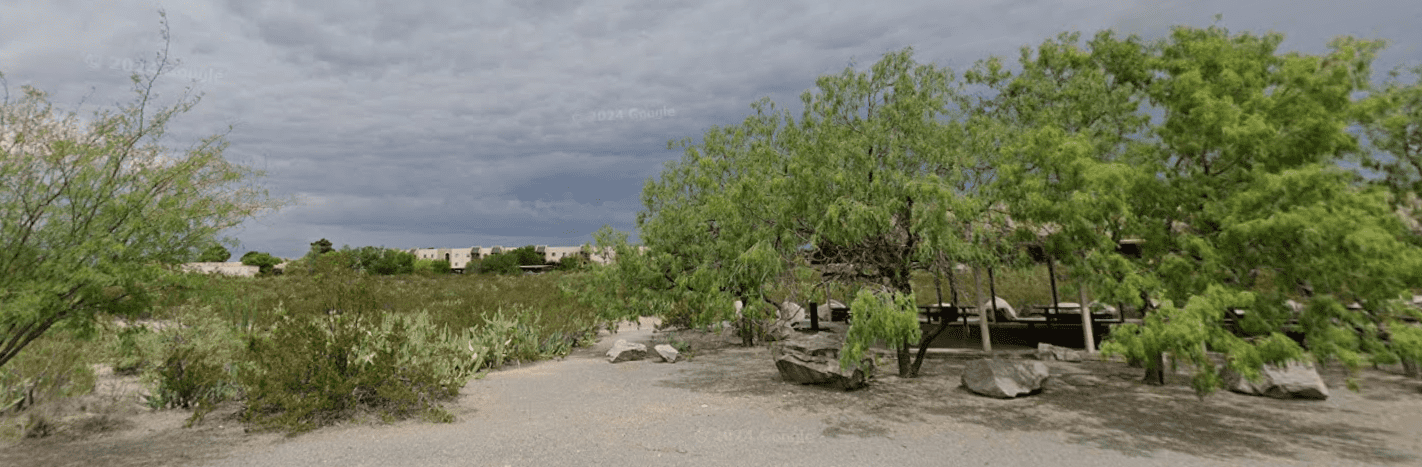
La Buena Vida Park is also a beloved space for the community. I encountered people walking through the trails exercising or passing through. Others came to relax, finding moments of peace amidst the serenity. The park’s trails are also a favorite destination for dog owners, where pets and their humans enjoy the open spaces together, fostering a sense of companionship and joy. This vibrant interaction between people and nature gives the park a dynamic, living quality that perfectly aligns with its name.
The name “La Buena Vida,” or “The Good Life,” encapsulates the essence of the park. It speaks to a life in harmony with nature, where simplicity and connection to the land bring fulfillment and joy. My design of stylized Gambel Quail and prickly pear cacti aims to honor this vision.
Talk about the process of design to fabrication – were there any challenges, surprises, other?
The design process for Desert Kinship began with research into the ecological relationships between native species within the park and how they coexist. I started by sketching forms inspired by these organisms, focusing on structure, rhythm, and the ways different species depend on one another. From there, I created scaled mock-ups to test how the shapes interacted visually and spatially as a group.
Transitioning from design to fabrication came with a learning curve. Since I don’t have a CNC plasma table***, I projected my CAD drawings at full scale, traced them onto wood, adjusted for the width of the plasma cutter tip, cut the templates out, and then clamped them onto the steel to guide the plasma cutting. Once all the components were cut, I cleaned the metal and welded the pieces together. After welding, there was even more surface preparation to get the steel ready for finishing.
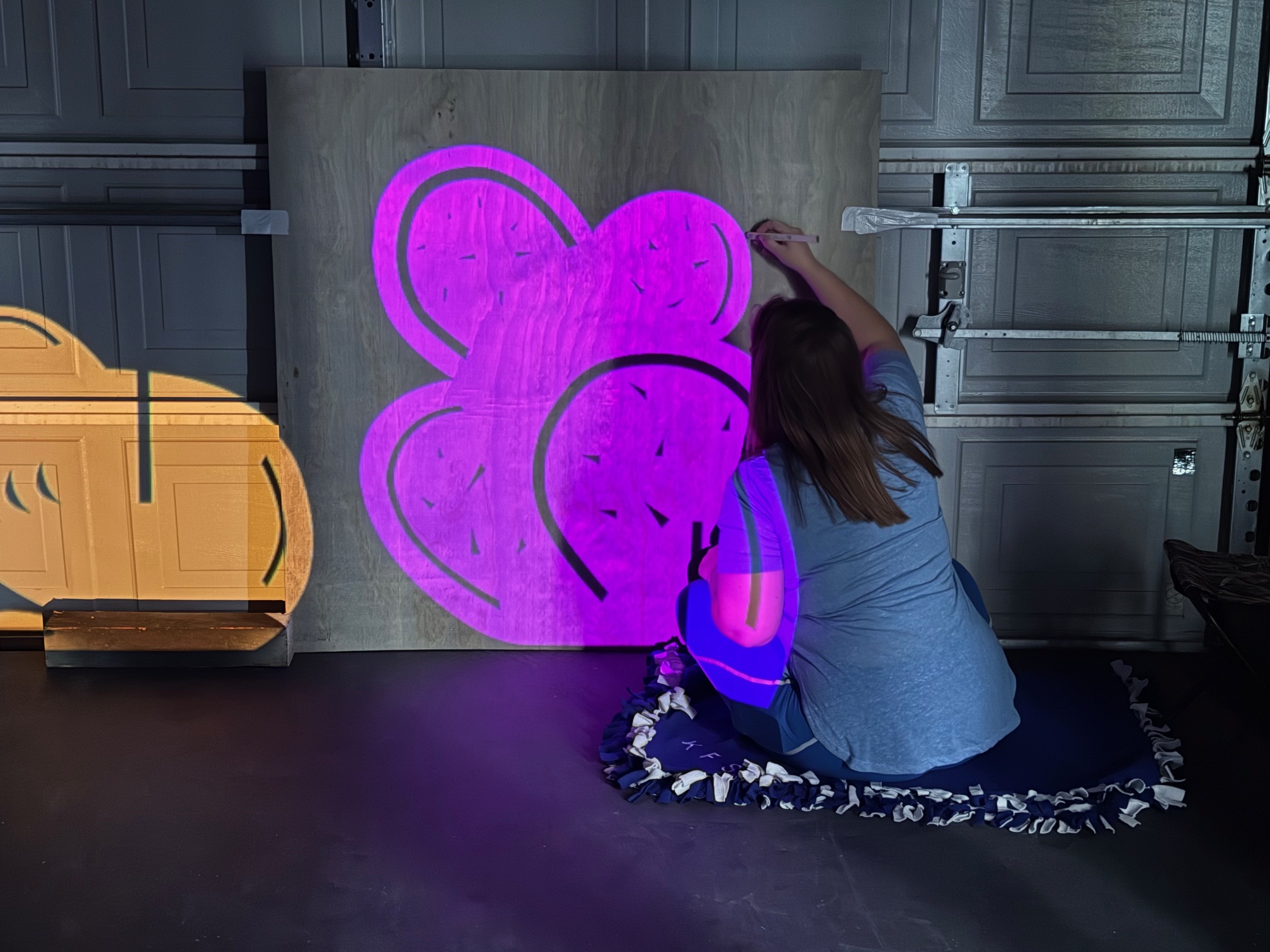
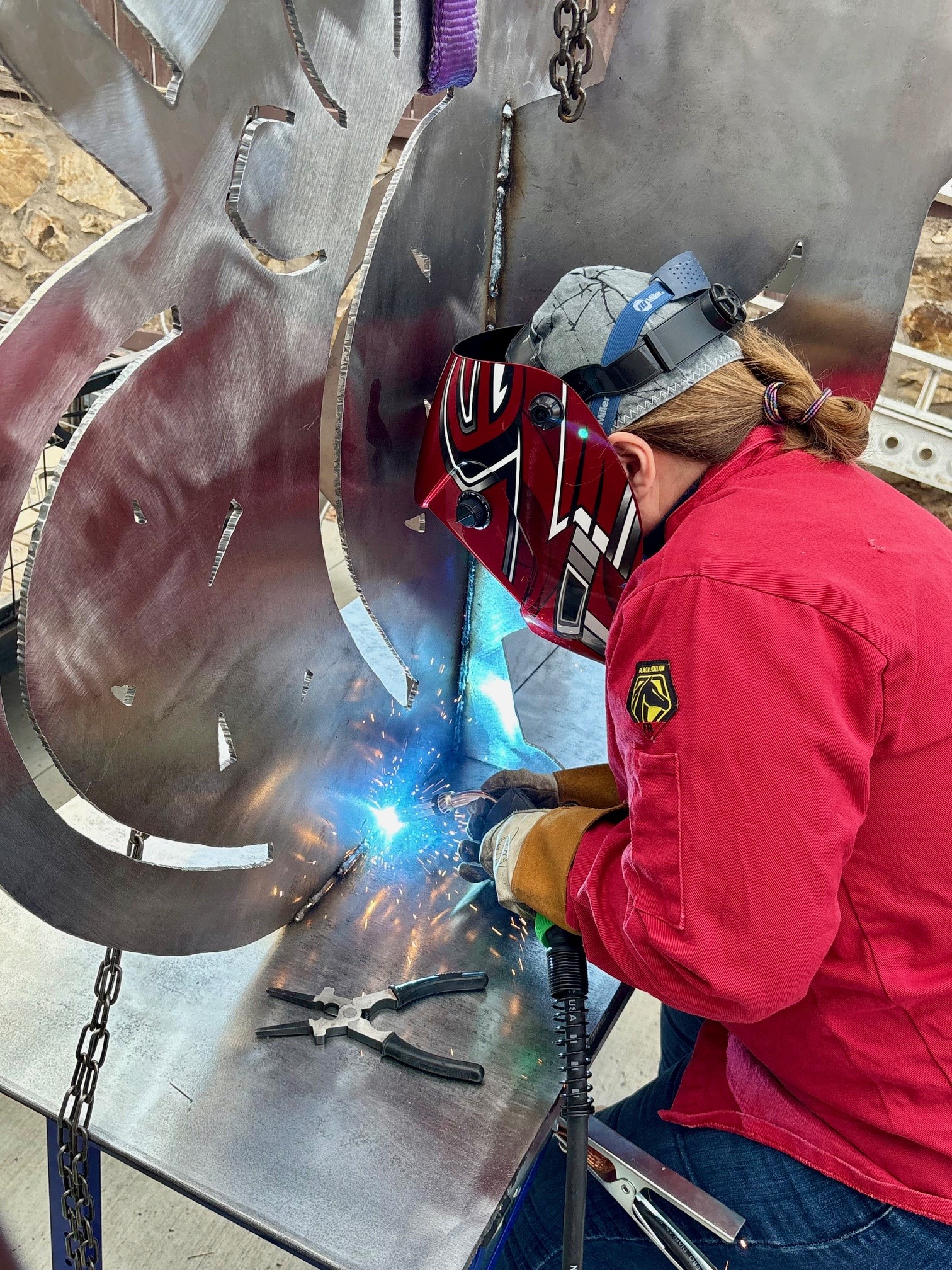
One of the biggest challenges was translating organic curves and natural forms into steel while keeping the sculptures both structurally sound and visually lightweight. Cleaning and preparing the metal was also one of the most time-consuming parts of the process. Plasma cutting and welding are the fun parts, but that is only a fraction of the time compared to cleaning metal.
Another unexpected challenge was coordinating with third parties during installation. Ensuring everything aligned, arrived on time, and worked smoothly required more logistical planning than I anticipated.
When did you know you wanted to be an artist?
I’ve always loved art. Growing up, whenever I saw public artworks I’d think, I want my work to be displayed like that someday, but it felt like a distant dream. No one in my family was a professional artist, and my rural high school didn’t offer any art classes. I wanted to study art in college, but I was steered toward business and pre-law instead as art wasn’t seen as a realistic career path.
I earned my bachelor’s degree and spent nearly ten years working as a paralegal, a field I never truly connected with. During that time, though, I took private painting lessons off and on, exploring oil and mixed media painting as well as photography.
When my husband and I decided to start a family, I stepped away from full-time work and did portrait photography part-time while raising kids. After spending most of my adult life in New Mexico, I had come to understand that artists can build meaningful careers. My husband and I talked about our life regrets, and mine was always not studying art. We started looking into art programs for me right as COVID hit, so I decided to wait. Then we adopted our daughter in 2021, and I chose to wait until she started school. In the fall of 2022, I finally went back to college to pursue the art career I had dreamed of for so long.
What inspired you to do sculpture?
I’ve always been drawn to 3D works but never had any training in it. When I started college, I was focused on painting my first semester. However, I was encouraged by staff to try some of the 3D classes. The next semester, I took Intro to Sculpture, and we had to do a cardboard project, a wood project, and a metal project before the end. Working with metal just clicked, and I knew immediately that this was the direction I wanted to pursue. I had always envisioned creating work for outdoor public spaces, and metal felt like the right material to bring those ideas to life.
What other projects have you done besides this one?
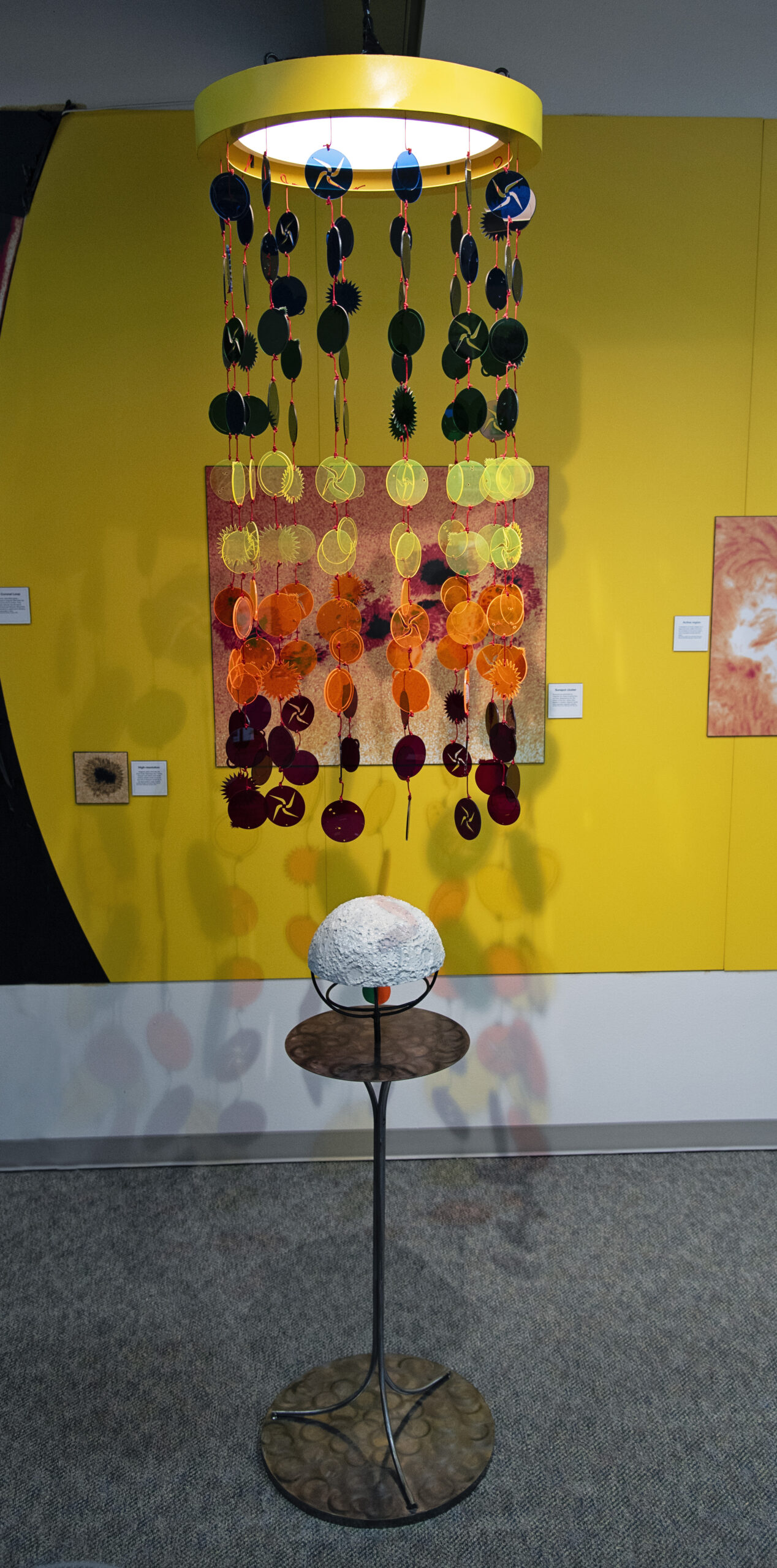
My first public project grew out of a collaboration with NMSU astronomy professor Dr. Shetye. Over several semesters, I studied solar phenomena with her, including the 2024 total solar eclipse. From that research, I created a sculpture based on my interpretation of the event, which is now on display inside the visitor center at NMSU’s Sunspot Solar Observatory in Sunspot, New Mexico.
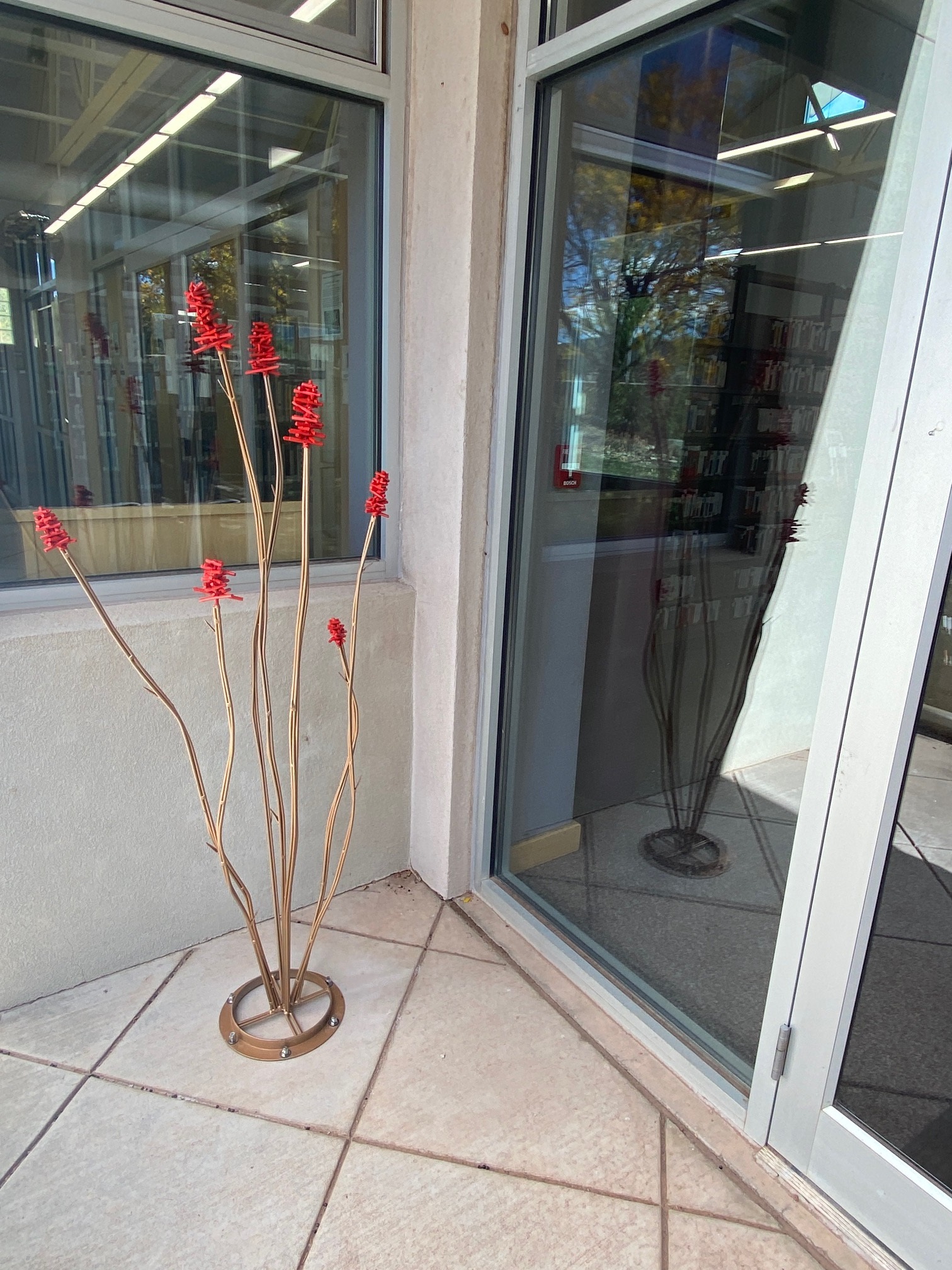
I’ve also been developing a series of sculptures inspired by cacti species native to the Chihuahuan Desert. Ocotillo, a metal interpretation of the plant, is installed in the courtyard of the East Mountain Public Library in Tijeras, New Mexico, and is part of the Bernalillo County 1% for Public Art Program’s permanent collection.
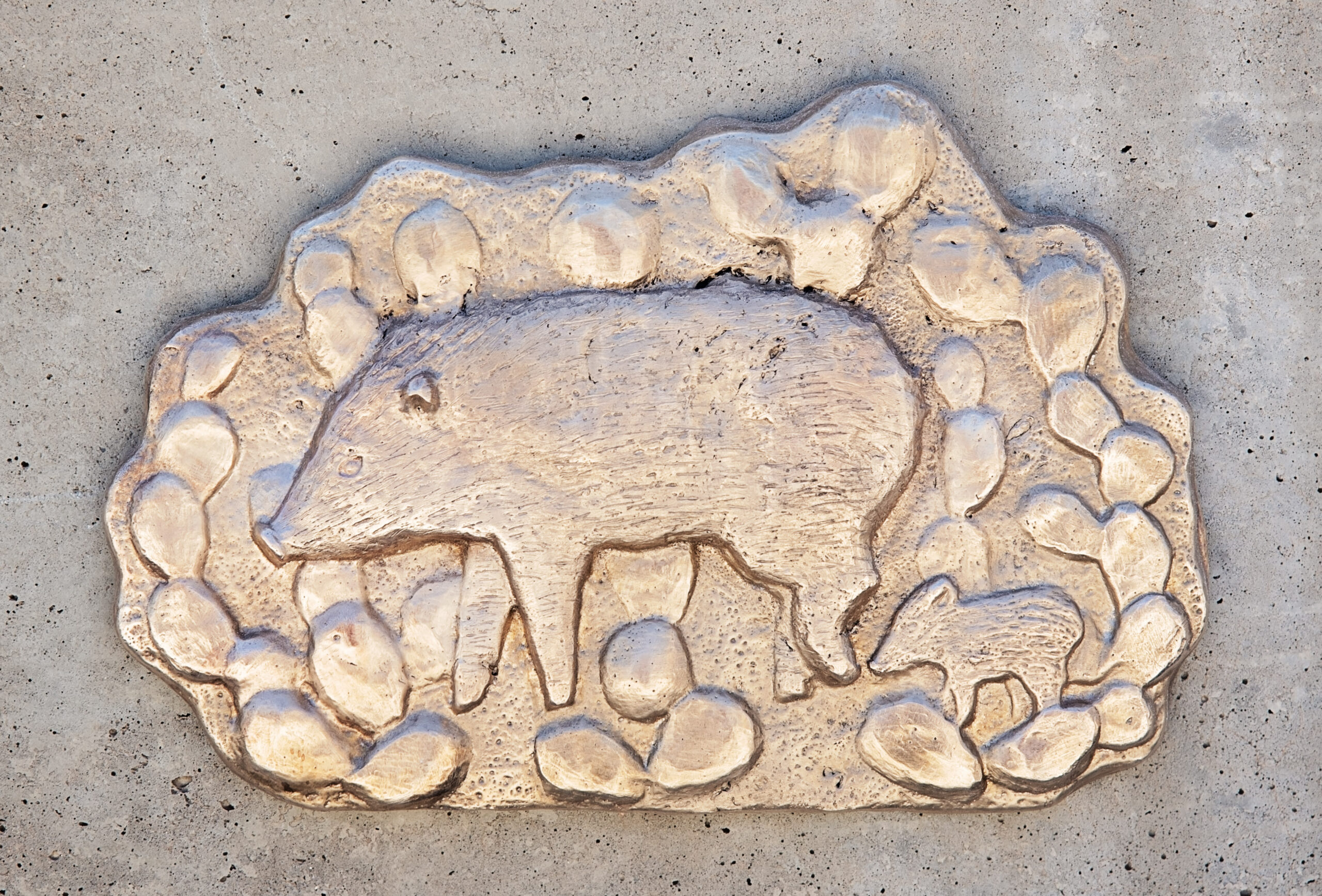
I also contributed to a collaborative bronze casting project located at the front of the building of the Las Cruces Convention Center. My bronze relief, Sustenance, highlights javelina and prickly pear, reflecting the ecological relationships of the region.
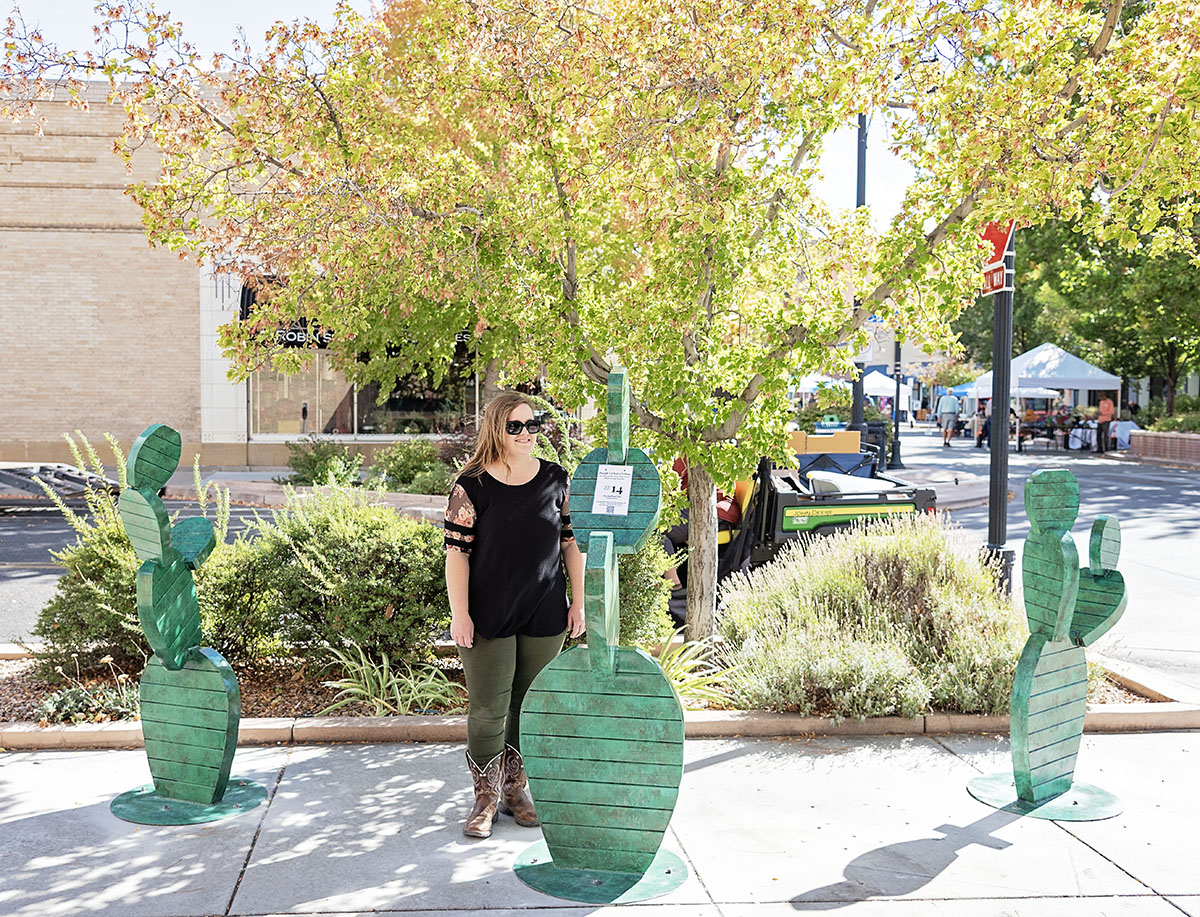
Most recently, I created a set of pedestrian-scaled stylized prickly pears titled Prickly Pear Trio. This grouping of three stylized prickly pear sculptures are currently on display for one year in Grand Junction, Colorado, as part of the 41st annual Art on the Corner Exhibition.
What kind of training have you had?
My formal training began when I returned to college in 2022 to pursue a BFA in Studio Art at NMSU. I graduated with that degree in May 2025. I learned welding, metal fabrication, plasma cutting, woodworking, bronze casting, and digital fabrication. I’ve also taken private oil painting lessons over the years. I taught myself mixed media painting and photography. Much of my development has come from hands-on studio work, collaborating with faculty, and creating public art installations. In 2024, I travelled to a blacksmithing workshop and loved it. I am currently pursuing more training in blacksmithing and getting a blacksmithing area set up in my shop.
Art is very subjective. How do you determine if a project is a success?
I measure a project’s success by whether it communicates the idea clearly, is crafted with integrity, and connects with people. When these elements come together, the work has succeeded. I also find a project successful when the finished piece reflects the vision I had in my mind. Translating an idea into physical form isn’t always straightforward, so when the final sculpture captures both the concept and the visual qualities I imagined, it feels especially rewarding.
What do you hope people who see Desert Kinship will take away?
I hope people experience a sense of connection—both to the desert and to each other. Desert Kinship is meant to reflect community, interdependence, and resilience, showing how different species coexist and rely on one another. I want viewers to consider the ways we coexist in our own lives and communities, just as the organisms in our ecosystem do. Ideally, the work sparks curiosity, encourages observation of the natural world, and inspires a deeper appreciation for the beauty, balance, and interconnectedness of life in the Chihuahuan Desert.
*CaFÉ is the platform we use for Call for Artists.
** We use print ads, social media, direct emails, and networking to publicize our calls.
***Plasma tables are used for cutting metals into shapes used for various purposes including public art.